
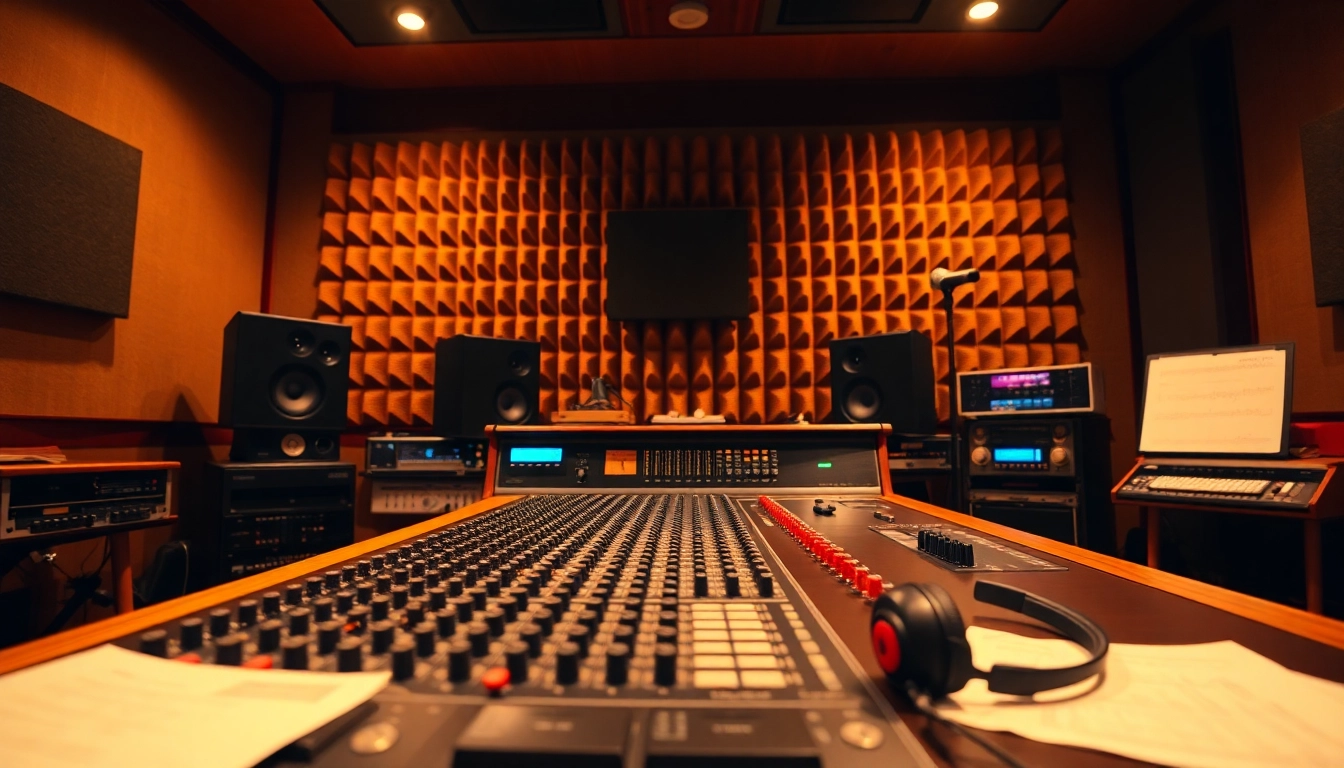
The Fundamentals of Online Audio Mastering
What is Online Audio Mastering?
Online audio mastering is a vital final step in the music production process aimed at preparing audio tracks for distribution across various platforms. This process involves a series of technical enhancements to improve the overall sound quality, consistency, and loudness levels of a track, ensuring it meets the necessary standards for release. As the final touchpoint, mastering transforms a mixed audio track into a polished piece of art that resonates with listeners. With the rise of digital platforms, online audio mastering services have become increasingly popular, allowing artists and producers the flexibility to access professional mastering from anywhere in the world.
Key Differences Between Mixing and Mastering
While mixing and mastering are often confused as similar processes, they serve distinct purposes in music production. Mixing involves combining various audio tracks, adjusting their volumes, panning, and applying effects to create a balanced and cohesive final product. It requires a keen ear for detail and creativity to ensure that each element complements the others.
In contrast, mastering focuses on the final product, refining the mixed audio tracks to prepare them for distribution. This includes equalization, compression, and limiting to enhance the track’s clarity and loudness. Essentially, mixing is about the individual components, while mastering addresses the entirety of the work, ensuring it translates well across different listening environments.
Essential Tools for Online Audio Mastering
Several tools and software are essential for achieving high-quality online audio mastering. Some of the most commonly used include:
- Digital Audio Workstations (DAWs): Software like Pro Tools, Logic Pro, and Ableton Live are standards in audio production. They provide comprehensive audio editing features and support for various plugins.
- Plugins: Mastering plugins are crucial for processes like EQ, dynamic range control, and stereo widening. Popular choices include iZotope Ozone, FabFilter Pro-L, and Waves plugins.
- Audio Interfaces: High-quality audio interfaces ensure that the sound is captured and played back accurately, maintaining audio fidelity during the mastering process.
- Monitors and Headphones: Accurate monitoring is vital for mastering. Studio monitors and high-quality headphones help assess the audio with precision.
Understanding the Online Audio Mastering Process
Step-by-Step Online Audio Mastering Workflow
The online audio mastering process can be broken down into several key stages:
- Preparing Tracks: Ensure all audio files are properly formatted and exported at the correct sample rate and bit depth.
- Listening Sessions: Initial listening to get a feel for the mix, noting any areas needing enhancement.
- Applying EQ: Use equalization to balance frequencies, ensuring no specific range is overpowering the others.
- Compression: Implement dynamic processing to control peaks and ensure consistent loudness.
- Limiting: Limiters are used to prevent distortion and maximize playback volume while maintaining headroom.
- Creating DDP or WAV Files: Once the mastering process is complete, the finalized audio is exported into suitable formats for distribution.
Common Techniques Used in Online Audio Mastering
Online audio mastering employs various techniques to enhance audio tracks, including:
- Dynamic Range Compression: This technique helps control the dynamic range, smoothing out loud and soft passages.
- Equalization (EQ): Fine-tuning the frequency response to enhance specific elements without sacrificing balance.
- Multi-Band Compression: Allows control over specific frequency bands, providing flexibility and precision in the mastering process.
- Stereo Imaging: Enhancing the stereo field to create a sense of space and depth in the audio.
- Loudness Maximization: Techniques like peak limiting ensure that tracks are competitive in loudness without causing distortion.
Identifying the Right Mastering Style for Your Project
Your project’s style and genre will dictate your mastering approach. For example:
- Electronic Music: Often requires a bright and punchy sound, with emphasis on bass and kick clarity.
- Rock and Pop: Typically focuses on a balanced frequency spectrum and dynamic presence, ensuring vocals stand out.
- Acoustic and Classical: A more natural sound with minimal processing to maintain authenticity and depth.
- Hip-Hop: Mastering should emphasize bass presence and clarity while ensuring vocals cut through smoothly.
Understanding the nuances of different genres will help tailor your mastering style to meet specific listener expectations.
Choosing the Best Online Audio Mastering Service
Factors to Consider When Selecting a Mastering Service
When choosing an online audio mastering service, several factors can influence your decision:
- Track Record: Look for services with a proven history of successful projects and satisfied clients.
- Professionalism: A strong communication style and respect for deadlines are essential for a productive collaboration.
- Customization Options: Some services offer bespoke mastering based on specific project needs; this can be beneficial for nuanced tracks.
- Sample Work: Reviewing previous work can give insight into the service’s quality and style.
Evaluating Service Quality and Client Feedback
Client feedback can be a powerful indicator of a mastering service quality. Seek out reviews on independent platforms or verified websites where clients share their experiences. Pay attention to comments regarding:
- Communication and support throughout the process.
- Listening to and incorporating feedback.
- Final product quality in terms of loudness, sonic clarity, and fidelity.
Engaging with communities such as forums or social media groups can also provide insights into customer satisfaction.
Price Ranges for Online Audio Mastering Services
Pricing for online audio mastering services can vary widely, depending on factors such as service reputation, project complexity, and delivery speed. On average, you can expect:
- Basic Services: Ranging from $25 to $100 for individual tracks.
- Mid-Range Services: Typically between $100 and $300, often offering additional revisions and complex processing.
- High-End Services: Might start from $300 and can exceed $1,500 for personalized attention from experienced mastering engineers.
Assessing your budget alongside the project’s needs will be crucial in making a sound investment in mastering.
Common Challenges in Online Audio Mastering
Dealing with Inconsistent Audio Levels
One of the common challenges in online audio mastering is addressing inconsistencies in audio levels. Variations in volume can stem from differences in mix environments or equipment. Solutions include using software for dynamic range compression and ensuring proper monitoring of levels during both mixing and mastering stages. Regularly referencing similar tracks can help establish benchmarks for loudness and balance.
Mastering Different Genres: What to Know
Each genre has unique qualities and expectations that must be respected in mastering. For instance, heavy genres like metal may require more aggressive limiting and distortion, while quieter genres like folk benefit from a delicate approach emphasizing warmth and clarity. Familiarity with genre conventions allows mastering engineers to produce tracks that resonate with their intended audience.
How to Handle Client Feedback and Revisions
Client feedback can vary widely and navigating through it can be tricky. It’s vital to maintain open communication, welcoming constructive criticism and suggesting potential adjustments based on professional experience. Sometimes, creating two versions of a track—one reflecting the client’s feedback and another with your professional suggestion—can facilitate smoother revisions and demonstrate your expertise in balancing client desires with sound engineering principles.
Measuring Success in Online Audio Mastering
Understanding Mastering Formats and Platforms
Mastering isn’t complete until output formats are appropriately chosen for distribution. Common formats include:
- WAV: Provides high quality for platforms requiring lossless sound.
- MP3: Essential for digital streaming due to its compression, though it sacrifices some audio fidelity.
- DDP: A professional format used primarily for CD production, ensuring precise data integrity.
Understanding the formats required by different platforms will help ensure that the mastered audio sounds consistent across various media.
Utilizing Analytics to Track Listener Engagement
Once music is released, monitoring listener engagement through analytics can provide invaluable insights into its success. Platforms like Spotify, Apple Music, and SoundCloud often provide data concerning streams, likes, shares, and geographic listening patterns. Understanding how audiences engage with your music allows artists to tailor future compositions and marketing strategies effectively.
Final Quality Checks Before Release
Before finalizing a mastered track for release, conducting thorough quality checks is essential. This includes:
- Listening on various systems (headphones, car speakers, studio monitors) to assess audio translation.
- Checking for any unwanted artifacts, distortions, or inconsistencies.
- Validating metadata and ensuring that all information like track order, artist name, and release dates are accurate.
These final steps help safeguard the track’s integrity and ensure a professional release.
FAQs about Online Audio Mastering
What is the difference between mixing and mastering?
Mixing involves blending individual audio tracks for balance, while mastering focuses on finalizing the mixed tracks for distribution, enhancing overall sound quality.
How long does online audio mastering typically take?
Online audio mastering can take anywhere from a few hours to several days, depending on the service and complexity of the tracks involved.
Can I master my own music at home?
Yes, with the right tools and knowledge, you can master your own music at home, but it often benefits from a fresh pair of professional ears.
What file formats should I provide for mastering?
Common formats for mastering include WAV or AIFF files, exported at a high bit depth and sample rate (like 24-bit/48kHz) for optimal quality.
Is mastering important for digital distribution?
Yes, mastering is crucial for ensuring audio tracks meet professional standards, enabling them to sound consistent across different platforms and playback systems.