
Understanding Ceramic Window Tint
What is Ceramic Window Tint?
Ceramic window tint is a premium film for window glazing that employs advanced ceramic technology rather than metals or dyes. This type of tint is designed to block harmful UV rays and infrared heat while maintaining clarity and visibility. Unlike traditional tints, ceramic window tint does not fade or interfere with electronic devices, making it an ideal choice for both vehicle and building applications. As awareness of UV protection increases, many consumers are turning to ceramic window tint for its longevity and performance advantages.
How Ceramic Window Tint Works
The functionality of ceramic window tint lies in its composition. The film is made up of ceramic particles that are non-metallic and non-conductive. This structure allows the tint to reflect and absorb heat without impacting the quality of visible light. Essentially, ceramic window tint provides superior thermal insulation, helping to keep indoor spaces cooler in the summer while minimizing the need for air conditioning. Furthermore, this technology enhances UV protection, blocking out up to 99% of harmful rays that can fade upholstery and harm skin.
Key Benefits of Ceramic Window Tint
The advantages of ceramic window tint are numerous and significant:
- UV Protection: Blocks harmful UV rays, protecting skin health and preserving interior materials.
- Heat Rejection: Provides exceptional thermal comfort by reducing heat entering the vehicle or building, leading to energy savings.
- Visibility: Preserves optical clarity without darkening the glass excessively, maintaining visibility and safety.
- Durability: Offers increased resistance to scratches and fading, providing a longer lifespan compared to other tints.
- Non-Reflective: Unlike metallic tints, it does not create a reflective appearance, ensuring a sleek design.
Choosing the Right Ceramic Window Tint
Factors to Consider When Selecting Tint
When choosing the appropriate ceramic window tint, several factors come into play:
- VLT Rating: Visible Light Transmission (VLT) indicates how much light is allowed to pass through the window. Depending on your needs, a higher or lower VLT can be chosen.
- Heat Rejection: Look for films that offer high levels of infrared heat rejection for better climate control.
- UV Blocking: Ensure that the tint blocks at least 99% of UV rays to safeguard your vehicle and its occupants.
- Warranty: A good warranty can safeguard your investment, covering fading, peeling, and bubbling over time.
- Brand Reputation: Choose reputable brands known for quality and performance in ceramic technology.
Comparing Ceramic Window Tint with Other Types
When deciding between different types of window tints, it’s crucial to compare:
| Type of Tint | Ceramic Window Tint | Metalized Tint | Dye-Based Tint |
|---|---|---|---|
| Heat Rejection | Excellent | Good | Poor |
| UV Protection | 99% | 99% | Limited |
| Durability | High | Medium | Low |
| Visibility | High clarity | Reflective | Can fade and discolor |
This comparison showcases the significant benefits of utilizing ceramic window tint over its counterparts.
Recommended Tint Levels for Different Vehicles
Choosing the right tint level is essential for optimal performance and compliance with local laws:
- Passenger Vehicles: A VLT of 35% is balanced for privacy, UV protection, and visibility.
- Luxury Cars: Darker shades (20%-30% VLT) enhance aesthetics while still offering clarity.
- Commercial Vehicles: 50% VLT is often ideal to adhere to regulations while providing adequate heat rejection.
- SUVs and Trucks: A range from 15% to 35% VLT is typical, balancing form and function.
Installation Process for Ceramic Window Tint
Professional Installation vs. DIY Tips
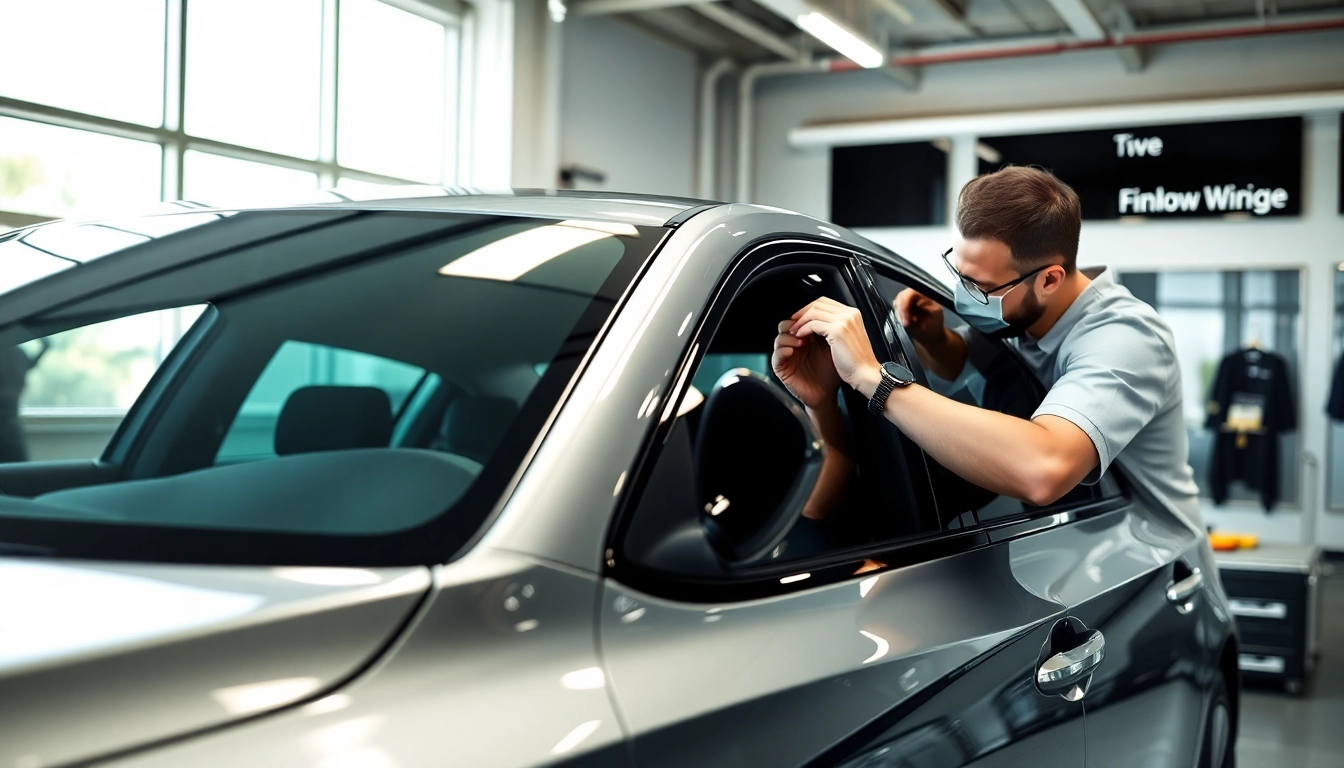
While DIY installation can save money, professional installation often ensures better results. Trained technicians are adept at minimizing air bubbles and ensuring a perfect fit, vital for complex windows. However, if you choose to go the DIY route, it is essential to follow a comprehensive guide.
Tools Needed for Installation
If opting for a DIY installation, you’ll need the following tools:
- Soap and water solution
- Glass cleaner
- Utility knife with extra blades
- Application squeegee
- Tape measure
- Heat gun (optional)
- Lint-free cloth
Steps to Ensure a Smooth Application
Follow these steps for a successful ceramic window tint installation:
- Preparation: Clean windows thoroughly with glass cleaner and wipe dry.
- Measuring: Measure and cut the tint film with a little excess for precision.
- Application: Spray soapy water onto the window and film for easy positioning.
- Adhesion: Press the film onto the glass, starting from the center and moving outward, using a squeegee to eliminate bubbles.
- Final Touches: Use a heat gun to smooth out any remaining imperfections and trim excess film.
Maintaining Your Ceramic Window Tint
Best Practices for Care and Cleaning
To maintain your ceramic window tint, adhere to the following cleaning practices:
- Use a mild soap solution and soft cloths to clean.
- Avoid ammonia-based products as they can degrade the tint.
- Don’t use sharp objects or scouring pads that may scratch the film.
Common Mistakes to Avoid
Avoid these pitfalls to prolong the life of your ceramic window tint:
- Cleaning with harsh chemicals.
- Using the windows for the first 48 hours after installation.
- Ignoring manufacturer recommendations for care.
How to Prolong the Lifespan of Your Tint
To extend the longevity of your ceramic window tint, consider the following tips:
- Regularly inspect for bubbles or lifting edges and address them promptly.
- Store vehicles in shaded areas or garages to minimize sun exposure.
- Limit the use of window tinting solutions that can wear out the adhesive.
FAQs About Ceramic Window Tint
What Are the Main Benefits of Ceramic Window Tint?
Ceramic window tint provides superior UV protection, excellent heat rejection, high optical clarity, and enhanced durability compared to traditional tints.
How Long Does the Installation Process Take?
Professional installation typically takes 2 to 4 hours, depending on the number of windows and vehicle type. DIY may vary based on experience.
Can I Remove Ceramic Window Tint Myself?
Yes, but be cautious. Use a heat gun to loosen the adhesive, and carefully peel the film away to avoid damaging the glass.
Will Ceramic Window Tint Affect My Visibility?
No, ceramic window tint is designed to provide high clarity and does not excessively darken windows, preserving visibility.
Is Ceramic Window Tint Legal in My Area?
Legal restrictions vary by region. Always check local laws concerning VLT percentages and restrictions on window tinting.