Understanding Stress and Anxiety
Defining Stress and Anxiety
Stress and anxiety are frequently used interchangeably, but they represent distinct psychological experiences. Stress is often treated as a response to a specific challenge, whether it’s work-related deadlines or life changes. It can manifest positively, driving motivation and focus, or negatively, resulting in overwhelm.
In contrast, anxiety is a more generalized response and often persists without a clear external trigger. While stress can lead to anxiety when it becomes chronic, anxiety itself can be debilitating, affecting day-to-day functioning and overall well-being. Understanding the nuances between these experiences is paramount for effectively managing them.
Common Causes of Stress and Anxiety
Many potential sources contribute to stress and anxiety, each manifesting differently across individuals. Common causes include:
- Work-related pressures: Tight deadlines, demanding bosses, and job insecurity can propel stress levels.
- Life transitions: Events such as marriage, divorce, moving to a new city, or becoming a parent can all trigger anxiety.
- Financial worries: Uncertainty about finances, debt, or economic downturns can load immense pressure on an individual.
- Health issues: Chronic illnesses or worrying about one’s health can lead to both stress and anxiety levels.
- Relationships: Interpersonal conflicts or significant changes in personal relationships can evoke strong emotional responses.
The Impact of Stress and Anxiety on Health
Letting stress and anxiety persist can take a significant toll on physical and mental health. Prolonged exposure to stress hormones like cortisol can lead to serious health issues, including:
- Cardiovascular problems: Increased risk of hypertension and heart disease can result from chronic stress.
- Digestive issues: Stress can contribute to conditions such as irritable bowel syndrome (IBS).
- Mental health disorders: Chronic anxiety is often linked to depression, sleep disorders, and substance abuse.
- Weakened immune system: Ongoing stress can impair immune function, making the body more vulnerable to illness.
Recognizing Symptoms of Stress and Anxiety
Physical Symptoms of Stress and Anxiety
Being attuned to the physical manifestations of stress and anxiety is crucial for early intervention. Common physical symptoms include:
- Headaches or migraines
- Fatigue and sleep disturbances
- Muscle tension, especially in the neck and shoulders
- Gastrointestinal issues
- Changes in appetite, whether overeating or loss of appetite
Emotional and Behavioral Signs
While physical signs are observable, emotional and behavioral symptoms are equally telling. Someone experiencing stress or anxiety may show signs of:
- Irritability or restlessness
- Increased anxiety about situations previously not thought of as problematic
- Social withdrawal, avoiding friends or activities
- Difficulties concentrating or making decisions
- Engaging in harmful behaviors, such as substance abuse
Long-Term Effects of Unmanaged Stress and Anxiety
If left untreated, chronic stress and anxiety can escalate into more severe mental health concerns, including panic disorders and generalized anxiety disorders. Furthermore, the complications arising from these conditions extend into increased physical health issues, inhibiting overall life quality. The longer individuals suffer without coping mechanisms, the deeper the ramifications may become.
Practical Techniques for Managing Stress and Anxiety
Mindfulness and Meditation Practices
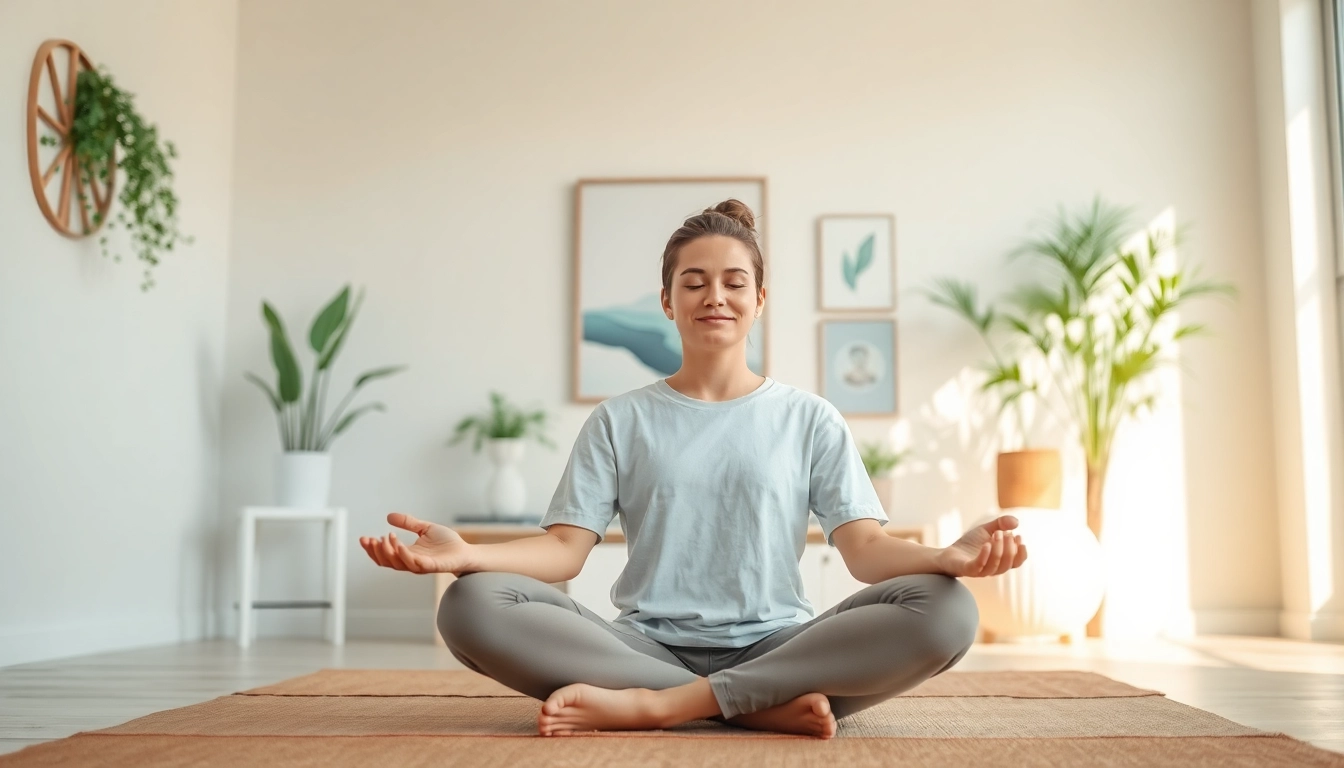
Mindfulness involves bringing awareness to the present moment without judgment. By practicing mindfulness and meditation techniques, individuals can cultivate a sense of peace, reducing symptoms of stress and anxiety. Techniques such as guided meditation, body scan exercises, and mindful breathing encourage relaxation and shift focus away from anxious thoughts.
Breathing Exercises to Alleviate Symptoms
Simple breathing exercises can help mitigate immediate feelings of anxiety. Techniques such as the 4-7-8 method involve inhaling for four seconds, holding the breath for seven seconds, and exhaling for eight seconds. This practice can activate the parasympathetic nervous system, promoting a state of calm. Regular practice can result in heightened awareness of breath, reducing overall anxiety levels.
Physical Activities to Reduce Stress and Anxiety
Engaging in physical activity is proven to alleviate stress and anxiety. Exercise releases endorphins, chemicals that act as natural mood lifters. Activities, ranging from walking and jogging to yoga and team sports, can provide an outlet for pent-up stress. Regular physical activity not only improves physical health but also fosters emotional resilience.
Building Resilience Against Stress and Anxiety
Coping Strategies for Daily Challenges
Developing effective coping strategies is essential for fortifying oneself against stress and anxiety. Techniques might include setting healthy boundaries, prioritizing self-care, and practicing time management. Keeping a journal can also help process emotions and clarify thoughts, promoting understanding and self-compassion.
The Role of Support Systems
Finding support in friends, family, or community groups can significantly buffer against the impacts of stress and anxiety. Whether it’s sharing experiences or engaging in group activities, social support can help foster connection and understanding. Strong relationships provide an avenue for sharing burdens and can mitigate feelings of isolation.
Importance of Goal Setting
Setting achievable, realistic goals provides structure and purpose, enhancing feelings of control in one’s life. These goals can range from daily tasks to long-term ambitions, allowing individuals to recognize progress and build self-efficacy. Regularly assessing and adjusting goals ensures they remain relevant, providing a steady incentive for personal growth and resilience.
Seeking Professional Help for Stress and Anxiety
When to Consider Therapy
Therapy can be a vital resource when stress and anxiety become overwhelming. Indications for seeking guidance include persistent feelings of hopelessness, difficulty functioning in daily life, or experiencing panic attacks. Recognizing the need for help is a sign of strength, not weakness.
Types of Therapies Available
Various therapeutic approaches exist to treat stress and anxiety effectively, including Cognitive Behavioral Therapy (CBT), which focuses on changing negative thought patterns, and mindfulness-based interventions that encourage present-moment awareness. Additionally, support groups can also provide valuable peer support.
Integrating Self-Help Techniques with Professional Support
Combining self-care practices with therapy can enhance treatment outcomes. For instance, a therapist may recommend specific mindfulness exercises to practice between sessions. This integration encourages accountability and reinforces strategies learned during therapy, leading to more significant long-term benefits.
Frequently Asked Questions
What are the key differences between stress and anxiety?
Stress often arises from specific triggers and can lead to anxiety when prolonged. Anxiety, however, is more generalized and can persist without identifiable causes.
How can I tell if I need professional help?
If you experience persistent distress, have difficulty coping, or your daily functioning is impaired, it may be time to consult a mental health professional.
What are effective self-help techniques?
Effective self-help techniques include mindfulness practices, regular exercise, journaling, and developing a strong support network.
How does exercise affect stress and anxiety?
Exercise releases endorphins, which can improve mood and reduce feelings of stress and anxiety, fostering emotional resilience.
Is all anxiety harmful?
Not all anxiety is detrimental; a certain level of anxiety can motivate individuals to perform well. However, chronic or overwhelming anxiety can be harmful and requires attention.