
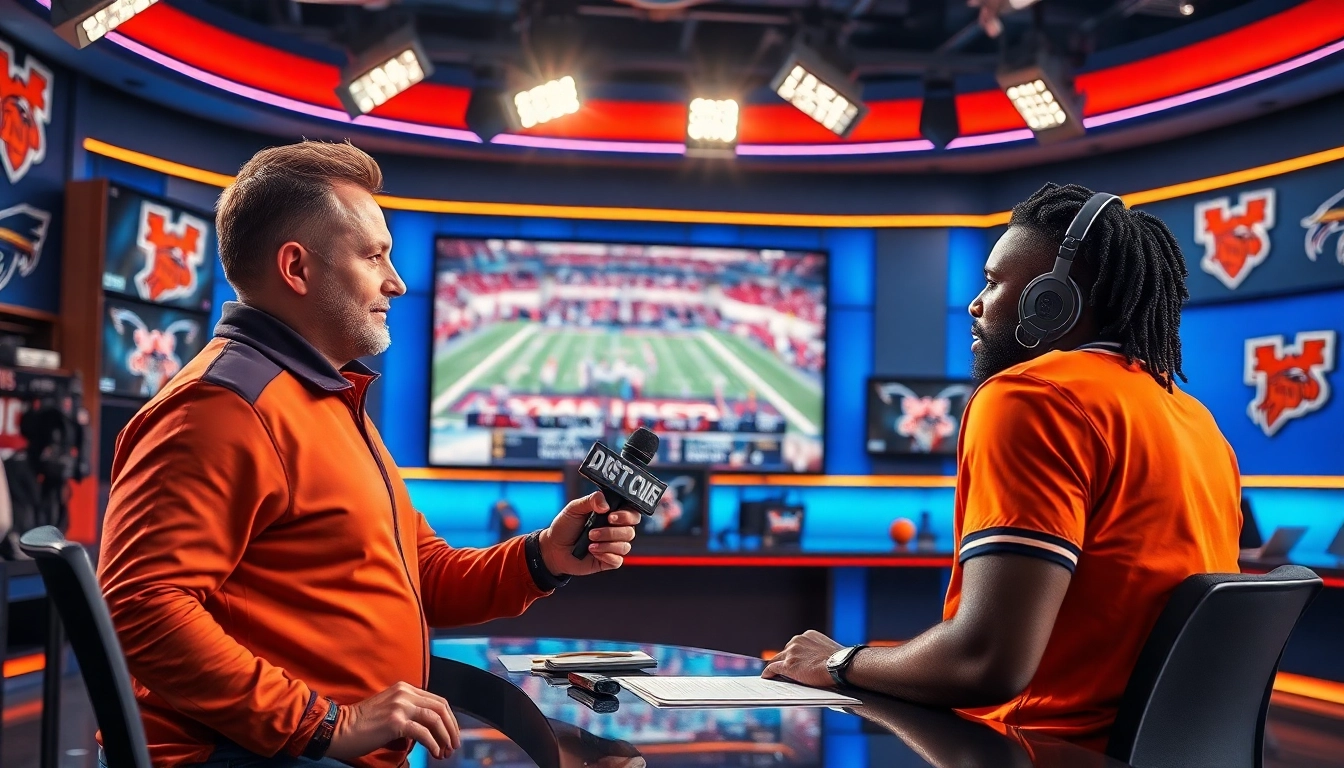
Understanding Sports Broadcasting
Definition and Historical Context
Sports broadcasting refers to the live or recorded transmission of sports events and related content to an audience. This practice has evolved significantly since its inception in the early 20th century. Initially, sports coverage was limited to written reports in newspapers and sporadic radio broadcasts. The first-ever radio sports broadcast occurred in 1921, bringing live sports action to audiences who could not attend events. As technology advanced, television emerged as a dominant medium, further transforming the landscape of sports coverage.
The advent of color TV in the 1960s and the introduction of cable television dramatically expanded sports broadcasting's reach and quality. By the 1980s and 1990s, comprehensive sports channels and networks began to emerge, providing round-the-clock coverage and specialized programming. Today, Sports Broadcasting has embraced digital platforms, making it accessible through various mediums, including websites, mobile apps, and streaming services.
Key Players in Sports Broadcasting
Sports broadcasting is a multifaceted industry involving various stakeholders. Broadcasters, including national and local TV networks, radio stations, and online platforms, are integral in delivering sports content to audiences. Additionally, leagues and teams negotiate broadcasting rights with these networks, which are central to generating revenue through advertising and subscription fees.
Production companies play a vital role in creating high-quality broadcasts, employing skilled personnel to ensure smooth operations. Meanwhile, advertising agencies collaborate with broadcasters to monetize sports content effectively, while sponsors contribute significantly, providing financial support in return for promotional opportunities. Overall, this ecosystem of diverse players ensures that fans enjoy uninterrupted access to their favorite sports.
Technological Evolution and Its Impact
The technological evolution in sports broadcasting has been astonishing, fundamentally changing how fans experience sports. Innovations in high-definition (HD) and ultra-high-definition (UHD) technologies have dramatically improved picture quality, making it more immersive for viewers. Furthermore, advancements in broadcasting equipment, such as cameras and drones, enhance the viewer experience with unique angles and perspectives.
The rise of digital platforms has also played a critical role in sports broadcasting, enabling viewers to access content on-demand. Live streaming services have surged in popularity, allowing fans to watch games in real-time from any location, enhancing engagement and broadening the audience base. As technology continues to advance, the potential for virtual and augmented reality experiences in sports broadcasting also emerges, offering fans unprecedented levels of interaction.
Current Trends in Sports Broadcasting
Rise of Streaming Services
The last few years have witnessed a paradigm shift in sports broadcasting, primarily driven by the emergence of streaming services. Traditional cable networks are no longer the sole providers of sports content; platforms like Netflix, Hulu, and dedicated sports services have entered the market, often at lower costs.
This transition has forced conventional broadcasters to adapt their strategies, often leading to partnerships with streaming platforms to reach a wider audience. The flexibility that streaming services offer, such as the ability to watch on multiple devices, has become increasingly attractive to younger audiences who prioritize convenience over traditional viewing methods.
Impact of Social Media on Engagement
Social media has profoundly impacted how fans engage with sports content. Platforms like Twitter, Instagram, and Facebook provide real-time updates, allowing fans to interact with their favorite teams and athletes while consuming content. This creates a sense of community among viewers, increasing loyalty and enthusiasm for sports.
Teams and broadcasters leverage social media for marketing purposes, sharing highlights, behind-the-scenes footage, and promotional content to engage fans beyond traditional broadcasting. The viral nature of social media can also enhance sports events, increasing viewership and attendance. Consequently, the integration of social media into sports broadcasting strategies has proven invaluable for reaching diverse audiences and maximizing engagement.
Integration of Augmented Reality
Augmented reality (AR) is an exciting development in sports broadcasting, providing a more interactive viewing experience. AR technology overlays digital information onto real-world environments, enhancing visual appeal when watching sports. Broadcasters utilize AR to display statistics, player bios, and graphics directly on the screen, providing fans with more context and information about the events unfolding.
During live broadcasts, viewers can receive up-to-the-minute statistics and analysis, keeping them engaged and informed. This technology not only enriches the viewing experience but also offers opportunities for sponsors to engage with audiences through branded content, thereby maximizing advertising impact.
Challenges Facing Sports Broadcasting
Content Rights and Licensing Issues
One of the significant challenges in sports broadcasting is navigating content rights and licensing issues. Sports leagues grant broadcasting rights to networks based on complex agreements that can fluctuate in value. This often leads to disputes and legal challenges over how content can be distributed, particularly with the rise of digital platforms.
Broadcasters must remain vigilant regarding compliance with the terms, ensuring they adhere to specific geographical regulations. As the demand for sports content continues to grow, competition for broadcasting rights intensifies, often resulting in soaring costs that can affect profitability. Thus, strategic planning is pivotal for networks to maintain their competitive edge while ensuring compliance.
Competition from Alternative Media
The broadcasting landscape is increasingly crowded with alternative media, including social media platforms, podcasts, and online communities that provide sports coverage. These platforms offer unique and varied perspectives on sports, driving audiences away from traditional broadcasts.
Moreover, many fans nowadays prioritize authentic and relatable content over conventional sports commentary. This shift has forced traditional broadcasters to innovate their approaches, providing engaging discussions and interactive segments that resonate with audiences. By confronting this challenge, broadcasters can usher in a new era of more dynamic and enjoyable sports experiences.
Adapting to Changing Viewership Habits
As viewership habits continue to evolve, sports broadcasters must adapt to the preferences of modern audiences. Younger generations are increasingly favoring mobile devices and on-demand content, preferring flexibility and accessibility over rigid programming. This shift necessitates a reevaluation of content delivery methods, aiming for seamless integration across various platforms to meet consumer expectations.
Furthermore, enhancing viewer experience through interactive features and personalized content can help retain audience engagement. Broadcasters must understand their demographics and adapt their strategies accordingly, creating compelling content that appeals to specific viewer interests while remaining relevant in a fierce competitive landscape.
Best Practices for Sports Broadcasting
Engaging the Audience Effectively
To capture and retain audience attention, sports broadcasters must actively engage their viewers. This can include interactive elements such as live Q&A sessions, polls, and real-time feedback. Incorporating viewer-generated content on social media platforms allows fans to feel involved in the broadcast, fostering a sense of community.
Moreover, storytelling is a powerful tool in sports broadcasting. By highlighting athletes' personal journeys and the narratives surrounding teams, broadcasters can create emotional connections that enhance viewer loyalty. Engaging the audience effectively leads to increased viewership and generates interest beyond the core broadcast content.
Utilizing Data and Analytics
The integration of data and analytics in sports broadcasting has become a critical best practice. Broadcasters can use metrics to analyze viewership trends, audience engagement, and content performance, allowing them to make informed decisions related to programming and marketing strategies.
Data-driven insights can help identify which content resonates with audiences and tailor future broadcasts accordingly. By leveraging these analytical tools, broadcasters can also measure the effectiveness of new technologies such as AR or VR, ensuring they provide an optimal viewing experience that aligns with consumer preferences.
Innovative Approaches to Content Delivery
With the proliferation of digital platforms, innovative content delivery methods are essential for effective sports broadcasting. Integrating features like multi-camera viewing options, personalized content feeds, and behind-the-scenes access can significantly enhance the viewer experience.
Experimenting with diverse formats, such as short clips and highlight reels, can cater to audiences' preferences for quick consumption of content. By adopting and innovating upon existing broadcasting frameworks, organizations can effectively engage their audience while adapting to the rapid evolution of sports media.
The Future of Sports Broadcasting
Predictions for the Next Decade
The future of sports broadcasting is set to be defined by continued technological advancements and market changes. The ongoing rise of streaming services will likely see traditional broadcasters incorporating more digital offerings, emphasizing seamless integration across platforms.
As viewership habits mature, personalized content experiences will become commonplace, allowing audiences to curate their sports diets. Additionally, advancements in 5G technology promise improved streaming capabilities and real-time interaction, paving the way for richer content delivery and engagement opportunities.
Potential Technological Breakthroughs
Emerging technologies like artificial intelligence (AI) and machine learning will play crucial roles in the future of sports broadcasting. These innovations can enhance content discovery by predicting viewer preferences, automating production processes, and providing personalized recommendations.
Furthermore, developments in virtual reality (VR) and augmented reality (AR) are likely to revolutionize the viewing experience, allowing fans to feel as though they are part of the action. Such advances could lead to entirely new revenue streams and engagement models for broadcasters, reshaping the industry landscape.
How to Stay Ahead in the Industry
To remain competitive in the rapidly evolving sports broadcasting landscape, organizations must prioritize adaptability and innovation. Investing in technology, embracing new trends, and staying attuned to audience preferences are essential strategies for success.
Additionally, fostering partnerships across platforms and exploring new revenue opportunities, such as eSports or live interactive experiences, can position broadcasters favorably within the industry. Ultimately, maintaining a focus on quality content and enriching viewer experiences will ensure continued relevance and success in the world of sports broadcasting.
Frequently Asked Questions
What is sports broadcasting?
Sports broadcasting is the live or recorded transmission of sports events and content to audiences through various media like TV, radio, and streaming services.
How has technology changed sports broadcasting?
Technology has changed sports broadcasting by improving picture quality, enabling streaming services, and integrating features like augmented reality for enhanced engagement.
What are the challenges in sports broadcasting?
Key challenges include navigating content rights and licensing issues, competition from alternative media, and adapting to changing viewership habits.
How can broadcasters engage audiences effectively?
Broadcasters can engage audiences by incorporating interactive elements, storytelling, and leveraging social media to foster a sense of community around sports content.
What does the future hold for sports broadcasting?
The future of sports broadcasting will likely involve more streaming services, personalized content delivery, and advancements in technologies like AI and VR for enhanced experiences.